
Situations we buy in
Sell an abandoned house in Puerto Rico: we buy it as it stands, no cleaning, no repairs
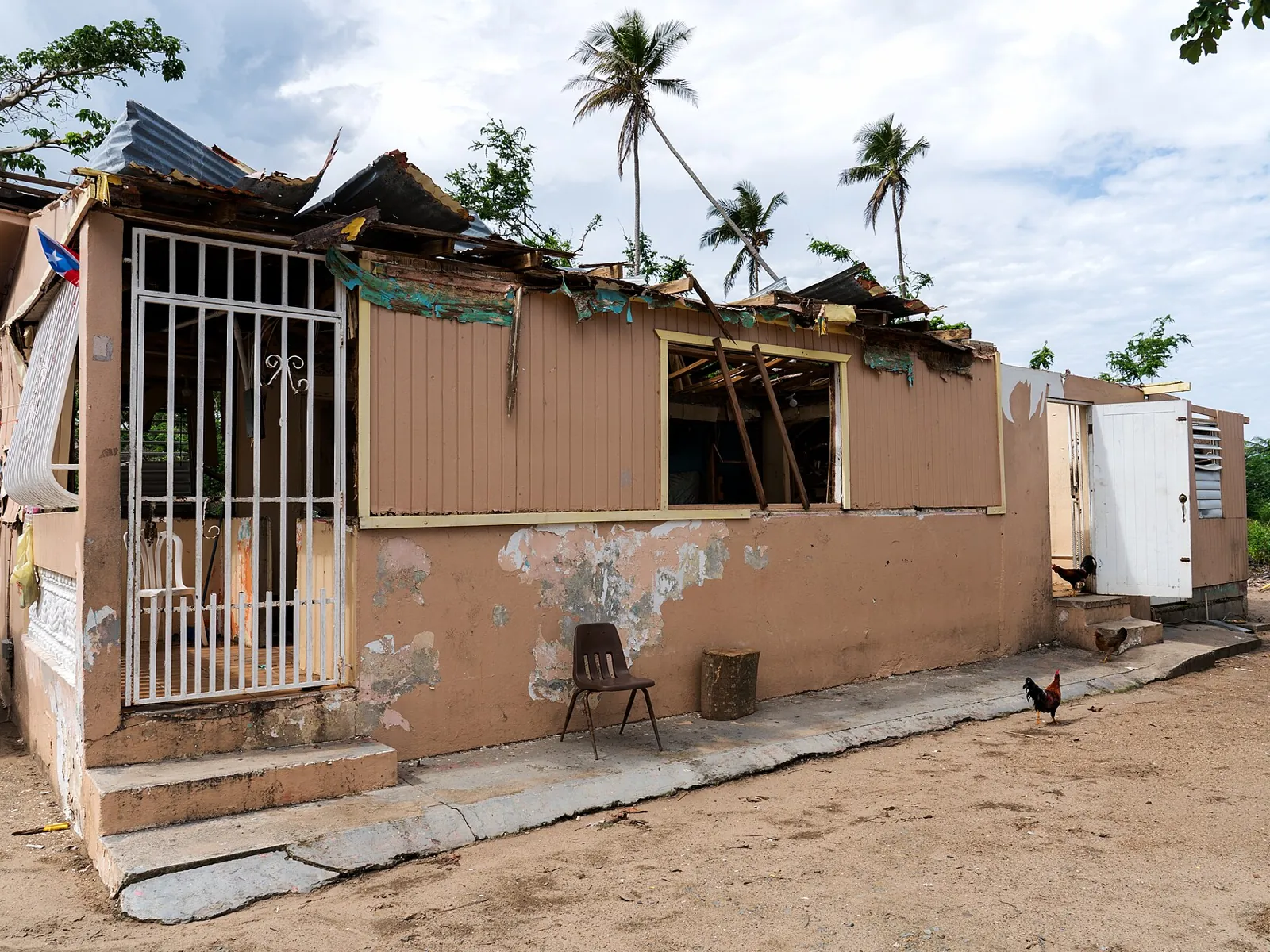
An abandoned house in Puerto Rico can be sold for cash without cleaning it, removing anything or fixing the roof. The only things that truly matter are whose name it is in and whether it owes CRIM property tax. We visit, pull the CRIM statement, check the title in the Registry and give you a written offer in 24 hours. Debts are paid out of the price at closing. The longer it sits closed, the more debt it piles up and the greater the risk the municipality declares it a public nuisance.
What happens if I leave the house abandoned?
Three things, none of them good. CRIM keeps charging property tax every year even if nobody lives there. The municipality can declare it a public nuisance (estorbo público) under the Municipal Code, with fines and eventually expropriation. And the decay does not stop: every rainy season the house is worth less and costs more to clean. Selling stops all three.
Municipalities are pushing to speed up public-nuisance procedures, and recent amendments to the Municipal Code gave them more tools. It is not an empty threat: a house declared a nuisance accumulates fines in the name of the owner on record at CRIM, even if that owner lives in Orlando and has not set foot on the island in ten years.
Do I have to clean it or remove the contents before selling?
No. We buy with the furniture inside, with brush up to the windows, with the roof leaking. Whatever is inside, we remove after closing. If there are family photos or papers you want to rescue, we set them aside during the visit and send them to you. We do not ask you for a single trip to the dump.
Same with utilities: there is no need to reconnect water or power for us to buy. We pull the AAA and LUMA debt certificates as part of closing and they are settled from the price.
What if someone is living inside without permission?
It can still be sold. What changes is that the attorney has to check how long that person has been there, because long possession can create rights under the Civil Code. If it is recent, we buy with the person inside and handle it ourselves after closing, through legal channels, without you having to confront anyone.
We do not recommend removing anyone on your own or changing locks. Tell us the full situation in the form and we evaluate it before the offer.
What if the house belonged to a relative who died, or was never recorded?
That is the most common case with abandoned houses. If it is in the name of someone who passed away, the succession has to be done before selling. If it was never recorded in the Registry, there is a court process to do it. In both cases we sign a conditional agreement and advance the costs once it is signed.
Related guides: selling an inherited house, property never recorded in the Registry and hurricane damage, which is often the reason it was closed up in the first place.
How do you calculate the offer on an abandoned house?
Same as any other: what it is worth fixed up based on comparable sales in the town, minus what it costs to fix line by line, minus the debts paid at closing. We show you the math, not just the number. The offer is good for 7 days and commits you to nothing.
If the house has been in your family forever and it hurts to sell it like this, we understand. But a closed house does not take care of itself, and every year that passes is a year of CRIM and of roof. We will talk whenever you are ready.
Frequently asked questions
Let's talk about the house
Tell us the town, how long it has been closed and whose name it is in. If you do not know, that works too; we find out.
Sources
- Act 107-2020, Puerto Rico Municipal Code (public nuisance properties)
- Metro PR (2026): municipalities ask for faster public-nuisance procedures
- Puerto Rico Treasury: steps to request the relevo
- Act 210-2015, Property Registry Act (expediente de dominio, art. 185)
This is not legal or tax advice. It is general information so you understand the process; the advice comes from the attorney-notary who takes part in the transaction. Last reviewed: October 15, 2026.